Moving beyond the bathroom scale for fitness tracking
Body composition and metabolic tests give you a precise look at what your body is made of and how efficiently it operates. While a standard scale only shows your total weight, advanced scans like dual-energy X-ray absorptiometry and bioelectrical impedance break that number down into fat, muscle, and water. Meanwhile, a maximum oxygen uptake test evaluates your cardiovascular engine by measuring how well your body uses air during intense exercise.
People usually seek out these assessments when they hit a training plateau, want to track physical therapy recovery, or are preparing for a specific athletic event. Knowing your exact body fat percentage or your personalized effort zones changes how you approach daily diet and exercise. Instead of relying on generalized formulas and guesswork, you get personalized data that highlights your unique physiological baseline and tracks realistic progress over months or years.
Finding a place to get these diagnostics done depends heavily on the level of detail you require. Basic impedance machines are commonly found in standard health clubs, while medical-grade scans require a visit to a sports clinic, wellness center, or university lab. Many gyms offering flexible membership plans frequently partner with local imaging centers to provide discounted assessments for their patrons who want deeper insights.
How bioelectrical impedance maps your muscle and fat
Bioelectrical impedance works by sending safe, low-level electrical currents through your hands and feet. Because water conducts electricity well and muscle contains a high amount of water, the current travels quickly through lean tissue. Fat, however, creates resistance against the signal. By measuring this electrical resistance, the machine estimates your total skeletal muscle mass, body fat percentage, and overall water retention in a matter of minutes without any discomfort.
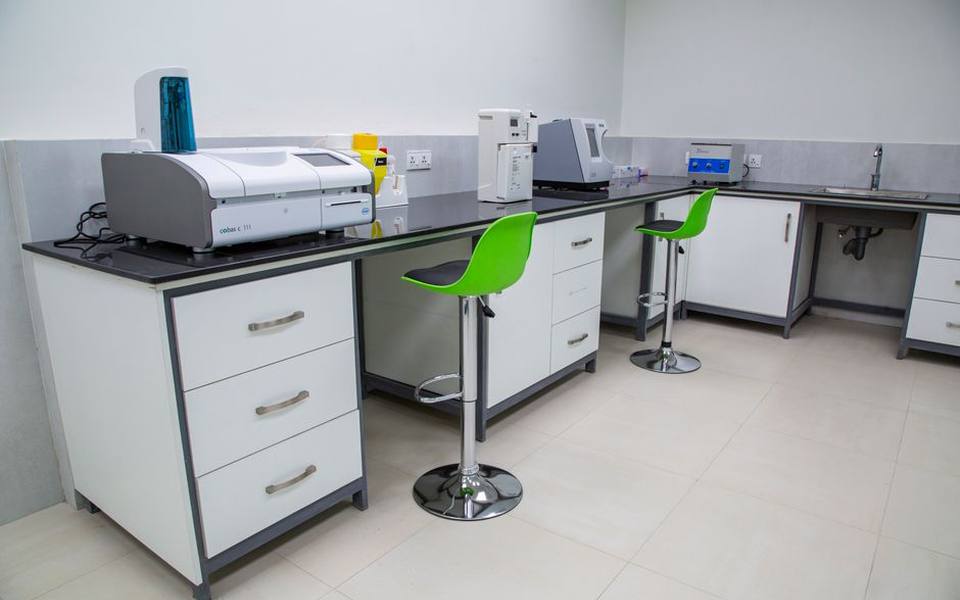
The reliability of this method is heavily influenced by your daily habits and hydration status. Because the machine relies on water conductivity, taking a test right after a heavy workout, a large meal, or a dehydrating session in a sauna will skew the final results. For the most consistent and trustworthy tracking, professionals highly recommend testing under the exact same conditions every time, usually early in the morning before eating or exercising.
These testing setups are relatively inexpensive for facilities to manufacture and operate, which keeps the price per session fairly low for everyday consumers. You can easily locate these machines at neighborhood fitness centers, independent training studios, or nutrition shops. In states with massive, health-conscious populations, like gyms in Texas, you might even find standalone wellness kiosks dedicated entirely to quick body composition tracking for casual gym-goers.
Looking inside with low-dose X-ray technology
For those needing exceptional precision, dual-energy X-ray absorptiometry remains the widely accepted industry standard. Originally designed primarily to measure bone density, this scanning process passes two distinct, low-dose X-ray beams through your entire body. It easily differentiates between dense bone, lean tissue, and fat mass. Because it actively scans your anatomy rather than estimating based on electrical resistance, it provides a highly accurate and repeatable picture of your internal composition.
Reading the detailed report from this scan can be incredibly eye-opening for your health journey. The results provide a visual, color-coded map showing exactly where your body stores its fat. It carefully distinguishes between harmless subcutaneous fat, which sits just under the skin, and dangerous visceral fat, which tightly wraps around your internal organs. High levels of visceral fat are strongly linked to metabolic issues, making this metric incredibly valuable.
Due to the necessary use of radiation and the high cost of the machinery itself, these specific tests are generally performed in imaging centers, hospitals, or specialized physical therapy clinics. Prices are typically higher than basic impedance tests, and you often need to book an appointment well in advance. Fasting is usually required before the test, and you must wear comfortable clothing free of any metal zippers or buttons.
Testing your cardiovascular limits and oxygen usage
While composition scans look closely at your physical structure, metabolic testing evaluates your active performance. A maximum oxygen uptake test reveals the absolute ceiling of your aerobic fitness. It measures the peak amount of oxygen your heart, lungs, and muscles can actively utilize when you are pushing yourself to complete exhaustion. This specific metric is a very strong indicator of both your endurance potential and your overall cardiovascular longevity.
The testing procedure is notoriously intense and requires maximum physical effort to yield accurate results. You will typically run on a treadmill or pedal a stationary bike while wearing a specialized breathing mask strapped to your face. As the speed and incline gradually increase, a computer actively analyzes the air you exhale. It continuously monitors the volume of oxygen consumed and carbon dioxide produced until you physically cannot sustain the effort.
You certainly do not need to be a professional athlete to benefit from this in-depth analysis. Many recreational runners, weekend cyclists, and enthusiastic gym-goers seek out testing centers to establish clear baselines for their upcoming training seasons. These specialized facilities are scattered across the country, often situated near larger athletic hubs, medical campuses, or prominent gyms in Illinois and other states with strong, active endurance sports communities.
Translating lab data into actionable daily workouts
The true, everyday value of metabolic testing lies in determining your exact, personalized training intensities. General fitness advice often relies on simple age-based equations to estimate your maximum heart rate, but these generic formulas can be significantly off for many individuals. A laboratory test pinpoints exactly when your body transitions from aerobic fat-burning to anaerobic carbohydrate-burning, allowing you to train your cardiovascular system with absolute, scientific precision.
Armed with these highly specific numbers, you can program your wearable fitness trackers or smartwatches to alert you when you drift out of your target effort level. If your goal is to build a solid aerobic base, you know the exact beats-per-minute ceiling you must stay under to avoid accumulating unnecessary fatigue. If you are doing high-intensity intervals, you know the exact threshold you need to cross to trigger physiological adaptations.
Applying this knowledge turns ordinary, aimless workouts into highly effective and efficient training blocks. You can easily incorporate your personalized zones into solo treadmill sessions or take them directly into gyms with group classes to ensure you are scaling the instructor's intensity to your own actual fitness level. Knowing the exact capabilities of your unique engine makes every single minute spent sweating much more purposeful and rewarding.
Published 2026-09-20 · reviewed with each rebuild, last October 2026.
Find gyms near you
The directory lists 21,093 gyms by state and city — pick your state or use the “Near me” button in the header.
More guides
-
 Money
MoneyGym Membership Costs Breakdown: Rates, Fees, and Savings
-
 Money
MoneyHow Much Does a Personal Trainer Cost? Rates and Package Deals
-
 Service
Getting Started with Group Fitness: What to Expect from Popular Workouts
-
 Buying
Choosing Between a Guided Track System and a Free-Weight Frame for Your Home
-
 Service
Understanding Which Dietary Programs and Digital Apps Deliver Real Results
-
 Owning
Building Endurance: A Beginner's Guide to Marathon and Triathlon Preparation
-
 Owning
Heart Rate Zone Training: How to Calculate and Target Your Ideal Zones
-
 Owning
Beginner Gym Workout Guide: Simple Routines and Step-by-Step Plans
-
 Money
MoneyEquinox Membership Cost Breakdown and Pricing Guide
-
 Money
MoneyPlanet Fitness Membership Pricing and Day Pass Guide
-
 Money
MoneyCrunch Fitness Membership Plans and Day Pass Costs Explained