Why Heart Rate Zones Matter for Your Fitness Goals
Heart rate zone training structures your exercise intensity by targeting specific percentages of your maximum heart rate. Rather than guessing how hard to push during a workout, you monitor your pulse to stay within dedicated zones tailored for warm-ups, aerobic conditioning, or peak effort. This targeted approach typically prevents premature fatigue and ensures every minute spent exercising directly aligns with your personal fitness objectives.
The body relies on different energy systems depending on how fast your heart beats. Low-intensity zones rely primarily on aerobic metabolism, drawing heavily on stored fats for fuel over longer durations. As intensity increases into higher percentage ranges, your muscles rely more on glycogen for immediate energy. Understanding these physiological transitions helps you plan balanced cardio routines that yield steady improvements without overworking your joints or circulatory system.
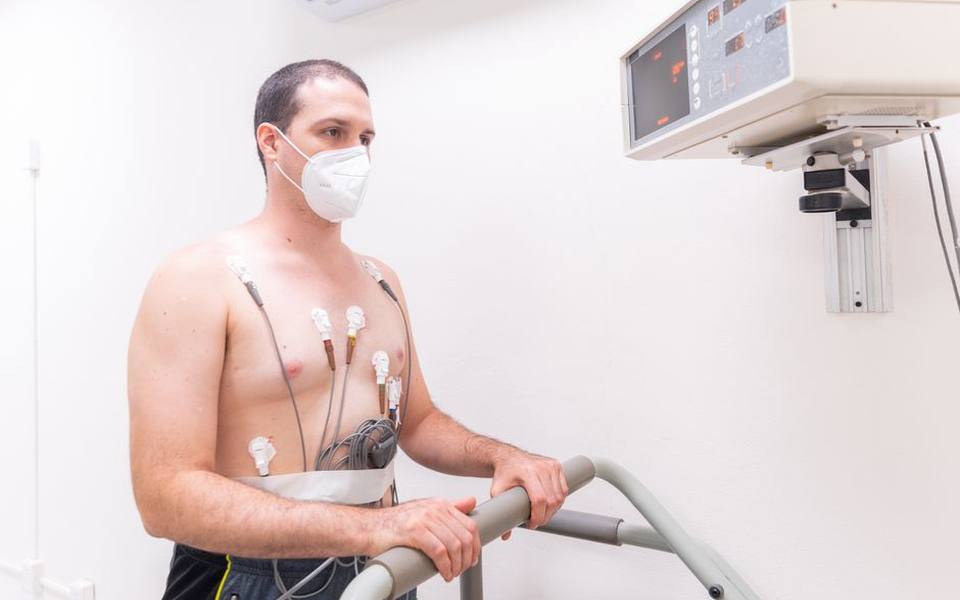
Monitoring your heart rate during structured activities, such as treadmill runs or energetic group classes, keeps your effort level consistent throughout the workout. Many fitness enthusiasts find that real-time tracking helps maintain steady pacing rather than starting too fast and burning out early. Whether you are aiming to build basic stamina or improve high-intensity speed, staying attentive to your live beats per minute makes every session more efficient.
Calculating Your Maximum and Target Heart Rates
Calculating your individual heart rate zones typically begins with establishing your maximum heart rate baseline. The classic estimation formula subtracts your current age from 220 to establish a general peak figure. While this age-adjusted math provides a quick starting point, more accurate calculations often incorporate your resting heart rate. Calculating your heart rate reserve gives a clearer picture of working capacity, allowing for more personalized target ranges across all intensity levels.

Once you determine your baseline maximum, you multiply that figure by targeted percentage ranges. For instance, Zone 1 typically spans 50 to 60 percent of your max effort, serving as an ideal dynamic warm-up phase. Higher zones step up in ten-percent increments, topping out near maximum exertion in Zone 5. Keep in mind that ambient temperature, caffeine intake, and sleep quality can cause minor daily fluctuations in your actual numbers.
Modern smartwatches and treadmill sensors make it simple to monitor target zones without manual math during your workouts. Training at local facilities with 24-hour access allows you to perform steady-state heart rate cardio whenever your schedule permits. Having continuous access to quality cardiovascular equipment ensures you can consistently measure metrics and track endurance gains across weeks and months of routine effort.
Matching Your Heart Rate to Specific Training Goals
Choosing the right zone depends directly on whether you are prioritizing fat oxidation or aerobic stamina. Zone 2, typically falling between 60 and 70 percent of your maximum heart rate, is widely known as the fat-burning zone because your body utilizes a higher ratio of fat calories here. Pushing into Zone 3 increases overall calorie burn and strengthens cardiovascular capacity, making it an ideal choice for building overall stamina.
High-intensity training requires brief, controlled visits into Zone 4 and Zone 5, where exertion levels usually exceed 80 percent of your maximum rate. These intense intervals boost anaerobic capacity, speed performance, and calorie expenditure, but they require longer rest periods between sets. Balancing low-intensity steady effort with short, intense intervals produces a well-rounded fitness foundation while minimizing cumulative nervous system fatigue.
Cross-training options like low-impact swimming present an excellent way to maintain target heart rates while reducing joint impact. Exercising in gyms with a swimming pool lets you perform sustained cardio sessions without the repetitive weight-bearing stress associated with road running or hard treadmill sprints. Mixing water cardio with traditional gym workouts provides a balanced approach to keeping your heart rate within the target training band.
Managing Recovery and Staying Within Safe Intensity Limits
Adequate recovery plays a pivotal role in maintaining consistent heart rate targets during training. When you consistently push into intense heart rate zones, your circulatory system and muscular tissue require dedicated time to repair and rebuild. Failing to incorporate light active recovery days can lead to elevated baseline resting heart rates, persistent physical fatigue, and decreased cardiovascular performance over time.
Post-workout recovery routines help return your elevated heart rate to its normal baseline smoothly. Taking time for cool-down walks, light stretching, or spending a few relaxing minutes in a sauna or steam room can help soothe tired muscles and support circulation after intense cardio. Proper recovery protocols assist in easing muscle tension and supporting overall physical bounce-back between workout days.
Monitoring your resting heart rate each morning is one of the most effective ways to gauge recovery before starting a workout. A sustained increase of several beats per minute above your typical baseline often signals that your body has not fully recovered from previous hard sessions. Adjusting your intensity downward or scheduling a rest day when elevated readings occur ensures long-term progress without physical burnout.
Building a Sustainable Heart Rate Routine
Long-term success with heart rate zone training relies on establishing a routine and environment that supports consistent effort. Having reliable access to cardio equipment, structured classes, and comfortable training facilities helps turn numeric heart rate targets into actionable daily habits. Selecting a location that offers appropriate amenities removes common friction points that might otherwise interrupt your weekly training schedule.
Finding local facilities tailored to your schedule is easier when exploring flexible membership options across various locations. Fitness enthusiasts looking for quality amenities in states like California can compare regional options to ensure their chosen facility matches their target workout routine. Establishing a dependable routine in a well-equipped gym helps you execute precision zone training throughout the entire year.
Ultimately, heart rate zone training replaces guesswork with clear, objective data that guides your workout intensity. By learning to calculate your unique zones and adjusting your daily effort to match specific goals, you maximize workout efficiency while protecting long-term physical health. Staying consistent with monitored effort pays substantial dividends in endurance, energy, and general wellness.
Published 2026-09-20 · reviewed with each rebuild, last October 2026.
Find gyms near you
The directory lists 21,093 gyms by state and city — pick your state or use the “Near me” button in the header.
More guides
-
 Money
MoneyGym Membership Costs Breakdown: Rates, Fees, and Savings
-
 Service
Body Composition and Heart Rate Testing: Understanding Scans and Metabolic Assessments
-
 Money
MoneyHow Much Does a Personal Trainer Cost? Rates and Package Deals
-
 Service
Getting Started with Group Fitness: What to Expect from Popular Workouts
-
 Buying
Choosing Between a Guided Track System and a Free-Weight Frame for Your Home
-
 Service
Understanding Which Dietary Programs and Digital Apps Deliver Real Results
-
 Owning
Building Endurance: A Beginner's Guide to Marathon and Triathlon Preparation
-
 Owning
Beginner Gym Workout Guide: Simple Routines and Step-by-Step Plans
-
 Money
MoneyEquinox Membership Cost Breakdown and Pricing Guide
-
 Money
MoneyPlanet Fitness Membership Pricing and Day Pass Guide
-
 Money
MoneyCrunch Fitness Membership Plans and Day Pass Costs Explained