Understanding the Core Differences
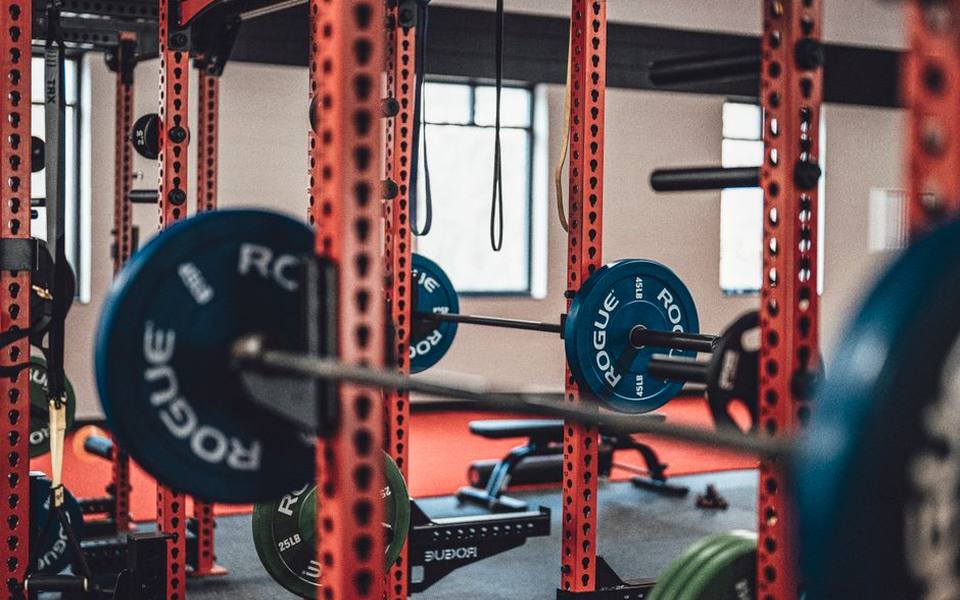
When deciding between a guided track system and an open free-weight frame for your home, the main difference comes down to the bar's path. An open frame is a sturdy metal cage designed for exercises with a standard barbell, allowing you to move naturally in three dimensions. A tracked system features a barbell permanently attached to vertical steel rails, locking your movement into a fixed, guided path. Your choice depends on whether you prefer the natural mechanics of free weights or the stabilized support of a track.
Open frames require you to balance the weight entirely on your own, engaging smaller stabilizer muscles during heavy lifts like squats and presses. Because you control the path, you develop functional strength that translates well to everyday movements. A guided track system removes the need to balance, so you can focus purely on pushing or pulling the weight. This provides a more controlled environment for targeting specific muscle groups without worrying about the bar tipping forward or backward.
Both setups serve as excellent centerpieces for a garage or basement workout area. The open frame typically offers more versatility for attaching accessories, while the tracked machine provides a streamlined experience for heavy isolation work. If you decide that building a complete home setup is too complicated, you can always look into flexible membership options at local fitness centers instead.
Comparing Compound Movements
Performing heavy compound movements highlights the biggest contrast between these two pieces of equipment. When doing a standard barbell squat inside an open cage, your hips and knees must coordinate to keep the weight centered over your feet. Your core works overtime to prevent you from leaning forward. This full-body engagement is why many strength coaches favor the open design for developing athletic power and maintaining long-term mobility.
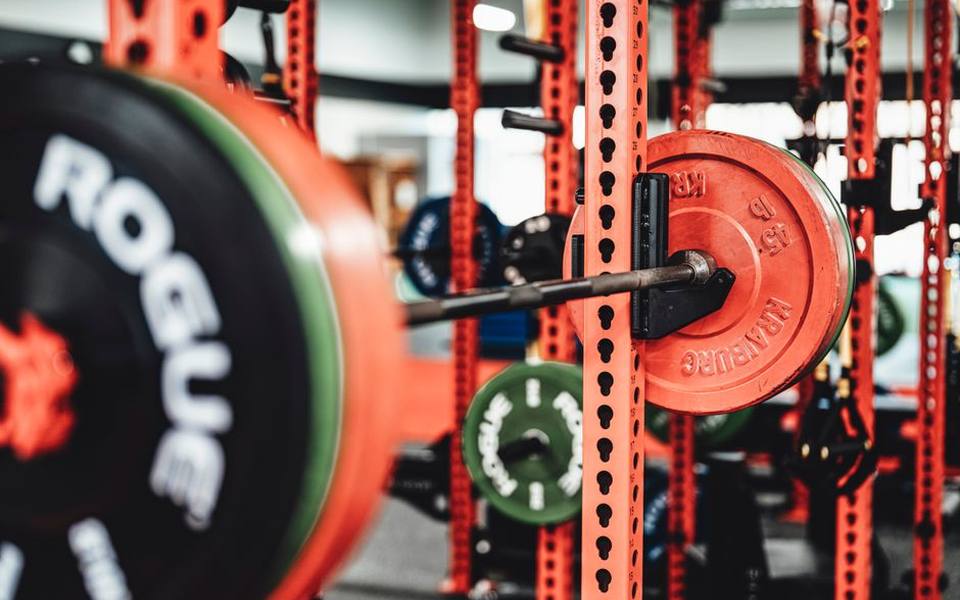
Squatting inside the guided track alters the mechanics of the lift. Because the bar cannot drift horizontally, you can adjust your foot placement. Moving your feet further forward shifts the emphasis to your quadriceps, somewhat mimicking the feel of a dedicated sled press machine. This variation is highly effective for isolating the leg muscles while reducing lower back strain during your routine, making it popular for bodybuilding.
The same principles apply to a flat or incline chest press. A standard open frame requires your shoulders to stabilize the barbell, helping prevent muscular asymmetries. Pressing on a guided rail system allows you to overload the chest without worrying about horizontal drift. If you are just starting out, taking instructor-led sessions can help you learn these movement patterns safely before trying them alone at home.
Safety Features for Solo Lifters
Training heavily at home usually means lifting without a partner, making safety the highest priority. A standard four-post cage manages this through adjustable horizontal safety pins or heavy-duty nylon straps. You set these just below your lowest range of motion. If you fail a repetition, you simply lower the barbell onto the safeties and slide out from underneath, keeping yourself completely protected from being pinned.
The guided rail system approaches safety differently. The vertical posts feature a series of lockout slots spaced a few inches apart from top to bottom. If you get stuck halfway up, a quick flick of the wrist rotates the hooks on the bar into the nearest slot, instantly catching the weight. This immediate lockout mechanism is a major reason why some people prefer the tracked design for solo training.
Both options provide excellent protection when used properly, but they require different habits. With free weights, you must carefully plan your depth and safety pin height. With the tracked bar, you must develop the reflex to roll your wrists backward. For those who prefer a commercial environment with staff around, finding 24-hour access facilities might be a safer alternative to a solitary late-night basement session.
Space and Budget Considerations
Setting up a training zone requires careful planning regarding floor space and ceiling height. A traditional cage generally occupies a smaller physical footprint but requires empty space extending outward to accommodate the seven-foot barbell. You also need clearance on the sides to load and unload plates safely. If your home doesn't have the space, browsing gym locations in Florida or your local area is a practical alternative.
Tracked machines often have a wider base frame and may include built-in plate storage pegs, meaning the unit itself takes up more dedicated floor space. However, because the bar is permanently attached and moves within a strict vertical plane, you do not need as much empty buffer room around the perimeter. In some tight garage setups, this predictable footprint is actually easier to manage than swinging a long bar around.
The financial investment typically varies depending on the route you choose. Basic cages often carry a lower initial price tag, but you must remember to budget for a high-quality barbell, collars, and weight plates. A rail-based unit usually has a higher upfront cost due to the integrated bar mechanism, but you only need to purchase plates. The final total often balances out depending on the specific brand you select.
Choosing the Right Setup for Your Space
Choosing the ideal centerpiece for your home setup ultimately depends on your training style and physical limitations. If you are an athlete looking to build functional strength, improve balance, and recruit multiple muscle groups at once, the open cage is likely the better choice. It mimics real-world movement and forces you to control the weight in all directions during every single repetition, yielding excellent overall conditioning.
If your primary goal is muscle hypertrophy, or if you are working around an injury that makes balancing a heavy barbell painful, the guided rails offer unmatched stability. The ability to push yourself to failure without a spotter and easily rack the bar makes it highly appealing for solo lifters. It completely removes the stress of stabilization from the lifting equation, allowing intense focus on muscle contraction.
Take the time to evaluate how you actually prefer to train before spending money on heavy equipment. Think about whether you enjoy the raw challenge of balancing free weights or the targeted burn of an isolation machine. Either choice will allow you to build an incredibly effective strength routine. If you want to try both styles first, fitness centers in Texas and other states often feature both setups side by side.
Published 2026-09-20 · reviewed with each rebuild, last October 2026.
Find gyms near you
The directory lists 21,093 gyms by state and city — pick your state or use the “Near me” button in the header.
More guides
-
 Money
MoneyGym Membership Costs Breakdown: Rates, Fees, and Savings
-
 Service
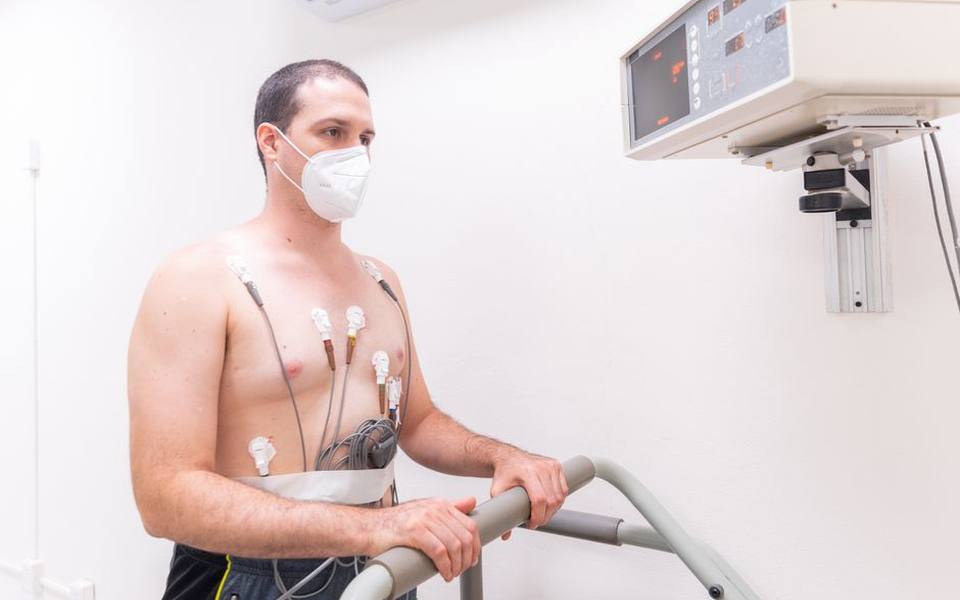
Body Composition and Heart Rate Testing: Understanding Scans and Metabolic Assessments
-
 Money
MoneyHow Much Does a Personal Trainer Cost? Rates and Package Deals
-
 Service
Getting Started with Group Fitness: What to Expect from Popular Workouts
-
 Service
Understanding Which Dietary Programs and Digital Apps Deliver Real Results
-
 Owning
Building Endurance: A Beginner's Guide to Marathon and Triathlon Preparation
-
 Owning
Heart Rate Zone Training: How to Calculate and Target Your Ideal Zones
-
 Owning
Beginner Gym Workout Guide: Simple Routines and Step-by-Step Plans
-
 Money
MoneyEquinox Membership Cost Breakdown and Pricing Guide
-
 Money
MoneyPlanet Fitness Membership Pricing and Day Pass Guide
-
 Money
MoneyCrunch Fitness Membership Plans and Day Pass Costs Explained