The Basics of Training Costs
The cost of a personal trainer typically ranges widely based on location, experience, and where you actually work out. Generally, you might expect to pay anywhere from a modest hourly rate to a much higher premium per session. The exact amount depends heavily on whether you hire an independent trainer or use an in-house facility expert. By understanding the underlying factors that drive these prices, you can better budget for your fitness journey without overspending on services you do not necessarily need.
Gym-affiliated trainers usually have their rates set by the facility management. If you are exploring gyms offering flexible membership plans, you might find introductory training sessions bundled directly with the initiation fee. Once those trial sessions are used, standard rates apply, typically billed in half-hour or full-hour increments. Large corporate fitness centers often offer tiered pricing models where newer trainers cost slightly less than seasoned professionals.
Keep in mind that a single session rate is usually the most expensive way to purchase instruction. Buying a la carte means paying a premium for the flexibility and lack of commitment. Most fitness professionals encourage clients to commit to a longer-term arrangement, providing schedule stability for the trainer and consistency for the client. This market dynamic is exactly why bulk purchasing often unlocks significant discounts on the per-session rate.
How Location Impacts Your Hourly Rate
Geography plays a massive role in determining what you will pay for one-on-one fitness instruction. In major metropolitan areas with a high cost of living, training rates are naturally elevated. For example, working with a professional at gyms in New York will typically demand a higher budget compared to smaller rural towns. Trainers in these dense cities face higher overhead costs for facility rentals and daily living expenses, which are ultimately passed down to the client.
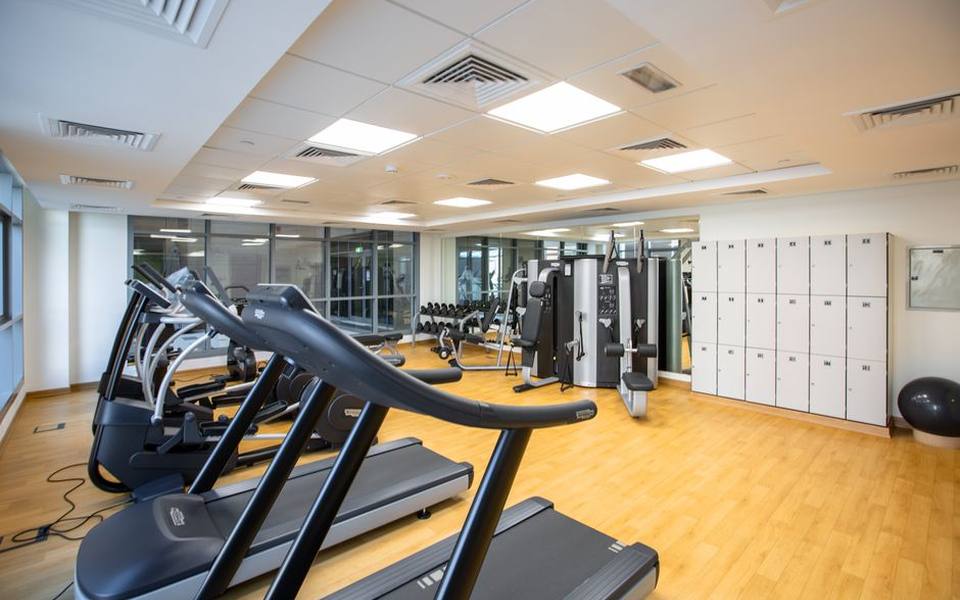
Conversely, if you live in a suburban or rural region, the average rate usually drops significantly. Local fitness centers in these areas often cater to a broader demographic with more competitive pricing structures. The density of available trainers also creates natural market competition; if a neighborhood has dozens of active fitness professionals, you are much more likely to find promotional rates as they vie for a consistent client base.
Virtual training has rapidly emerged as a popular alternative to bypass regional price hikes entirely. By hiring a professional who lives in an area with a lower cost of living, you can often secure top-tier programming at a fraction of your local market rate. While this method lacks hands-on physical form correction, it remains highly cost-effective for those who simply need a customized routine and regular progress check-ins via video calls.
Experience, Specialties, and Certifications
The specific credentials and background of a trainer heavily dictate their standard asking price. A newly certified instructor looking to build their initial client roster will typically charge the lowest available rate. These professionals are perfectly capable of guiding a beginner through fundamental lifting movements. For many everyday gym-goers looking to establish a reliable routine and learn proper machine adjustments, an entry-level trainer provides excellent overall value without breaking the budget.
As trainers accumulate years of hands-on experience and actively pursue advanced educational workshops, their rates steadily climb. Specialists who hold complex certifications in areas like corrective exercise, prenatal fitness, or sports-specific performance conditioning command a significant premium. If you are recovering from a previous physical setback and need careful programming to avoid aggravating the issue, investing in a seasoned specialist is generally necessary despite the higher price tag.
Many experienced trainers operate as independent business owners renting space inside larger health clubs. In these scenarios, their standard rates must cover both their personal income and the hefty monthly rental fee they pay to the facility. This dual overhead pushes their session prices slightly higher than trainers directly employed by the facility, though independent trainers frequently have much more freedom to negotiate their package terms.
Navigating Package Deals and Memberships
Purchasing sessions in bulk is the most common strategy to lower the overall cost of a personal trainer. Facilities usually offer tiered packages sold in convenient blocks of five, ten, or twenty sessions. The larger the package you commit to upfront, the deeper the discount applied to the individual session rate. This bulk pricing model ensures the trainer maintains a predictable schedule while the client receives a financial incentive to stay physically consistent.
Keep a close eye on strict expiration dates when buying large blocks of sessions. Many gyms enforce policies stating that prepaid sessions must be used within a specific timeframe. If you travel frequently or have an unpredictable work schedule, a massive package might result in wasted money. In such complex cases, buying smaller packages or opting for a slightly higher a la carte rate might actually be more economical overall.
Some health clubs require an active gym membership to access their internal training staff, meaning you must accurately factor in monthly dues. If you prefer to avoid ongoing commitments, you might look into no-contract gyms or private studios. Group training or semi-private sessions are also excellent alternatives. Sharing a trainer with a few other people significantly dilutes the hourly cost per person while still providing structured, personalized attention.
Added Value: Amenities and Specialized Facilities
The environment where you train can heavily influence both the price and overall value of the service. Premium athletic clubs that feature an extensive array of amenities often charge more for their trainers. For instance, incorporating aquatic therapy into your routine might be entirely possible if you work with an instructor at gyms with a pool. Specialized environments allow trainers to completely diversify your workouts and focus on low-impact recovery techniques.
Recovery tools are becoming a popular component of high-end personal training packages. If your chosen facility is among the gyms with a sauna, your trainer might seamlessly integrate heat therapy into your daily post-workout routine. These added facility perks often justify a higher session rate by providing a much more comprehensive approach to overall physical wellness and helping to actively minimize muscle soreness after heavy lifting.
Practical amenities can make the added cost of a high-end gym trainer entirely worthwhile for busy parents. Trying to balance a demanding fitness schedule with daily family responsibilities is notoriously difficult. Opting to work with a professional at gyms with childcare saves you the logistical headache of hiring an at-home babysitter. By utilizing on-site supervised play areas, parents can focus entirely on their grueling fitness sessions with complete peace of mind.
Published 2026-09-20 · reviewed with each rebuild, last October 2026.
Find gyms near you
The directory lists 21,093 gyms by state and city — pick your state or use the “Near me” button in the header.
More guides
-
 Money
MoneyGym Membership Costs Breakdown: Rates, Fees, and Savings
-
 Service
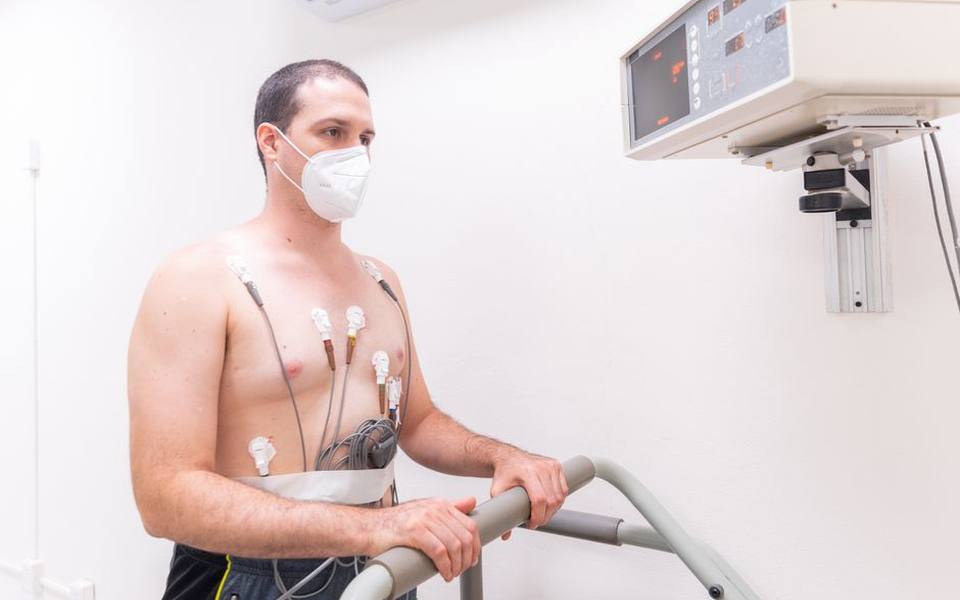
Body Composition and Heart Rate Testing: Understanding Scans and Metabolic Assessments
-
 Service
Getting Started with Group Fitness: What to Expect from Popular Workouts
-
 Buying
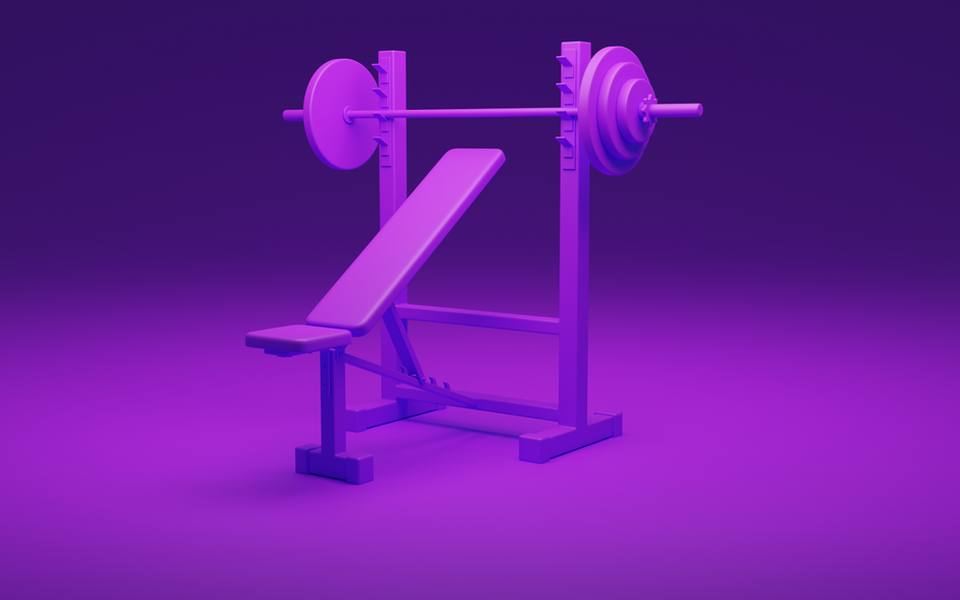
Choosing Between a Guided Track System and a Free-Weight Frame for Your Home
-
 Service
Understanding Which Dietary Programs and Digital Apps Deliver Real Results
-
 Owning
Building Endurance: A Beginner's Guide to Marathon and Triathlon Preparation
-
 Owning
Heart Rate Zone Training: How to Calculate and Target Your Ideal Zones
-
 Owning
Beginner Gym Workout Guide: Simple Routines and Step-by-Step Plans
-
 Money
MoneyEquinox Membership Cost Breakdown and Pricing Guide
-
 Money
MoneyPlanet Fitness Membership Pricing and Day Pass Guide
-
 Money
MoneyCrunch Fitness Membership Plans and Day Pass Costs Explained