Finding Your Rhythm in the Group Setting
Group fitness sessions provide a structured environment for anyone looking to build strength, improve cardiovascular health, or simply move more consistently. When you walk into your first session, an instructor will lead the room through a warm-up, the main routine, and a cool-down. Depending on the intensity and your effort, participants typically burn a few hundred calories per hour. Trying different styles is the best way to discover what keeps you motivated.
If you are entirely new to working out with others, stepping into a studio might feel intimidating. However, everyone is there to focus on their own progress. Facilities that maintain robust schedules, like gyms with group classes, usually label their sessions by difficulty. Starting with a foundational session ensures the instructor will explain basic terminology before increasing the pace. Always check the facility guidelines so you arrive prepared and appropriately dressed for the specific movements.
Arriving a bit early for your initial visit is always a good practice. It allows you to introduce yourself to the instructor, secure a comfortable spot in the room, and gather any necessary equipment without feeling rushed. Communicating that you are new helps the trainer keep an eye on your form and offer helpful physical adjustments throughout the hour.
Stepping Up the Pace with High-Intensity Intervals
High-intensity interval training revolves around demanding bursts of physical effort followed by brief periods of active recovery. This format pushes your heart rate up quickly, making it a highly efficient way to improve cardiovascular endurance. Instructors typically mix bodyweight movements, like burpees or lunges, with equipment like dumbbells to create a full-body challenge. This structure tests your physical limits while keeping the routine varied and engaging from start to finish.
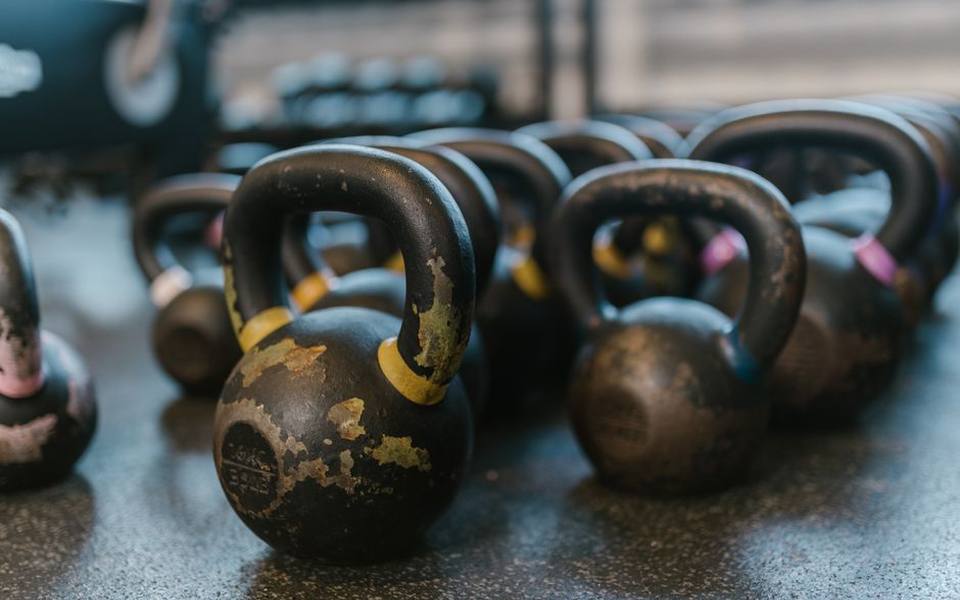
The caloric burn in these intervals is generally high, and your body often continues to expend energy after you leave the facility. Because the movements involve sudden stops and lateral shifting, you need footwear with excellent support and a flat, stable sole. Running shoes are typically too cushioned and lack side stability, which might increase the risk of rolling an ankle. Look for cross-training sneakers designed to handle dynamic, high-impact exercises.
Beginners often worry about keeping up with the fast pace of an interval workout. Fortunately, a good instructor will always provide modifications, allowing you to step instead of jump or lift lighter weights. Arriving early gives you a chance to speak with the trainer about any concerns, ensuring they can offer safe alternatives while you build foundational strength. Progressing at your own pace is the most effective way to see long-term results.
Getting Comfortable on the Indoor Bike
Indoor cycling workouts focus heavily on lower body strength and cardiovascular endurance using a stationary bicycle. The instructor guides the room through simulated hills and flat roads by prompting you to adjust the resistance dial on your bike. This provides an excellent, low-impact alternative to running, making it generally easier on the knees and hips while still delivering a rigorous challenge that generates plenty of sweat during the ride.
Setting up your equipment correctly is the most critical step for anyone new to cycling. If the seat is too low or the handlebars are too far forward, you risk developing lower back or knee pain. Always ask the instructor to help you find the proper alignment during your first few visits. Once you know your specific seat and handlebar settings, you can quickly adjust the bike yourself in future sessions.
Clothing choices matter significantly when you are sitting on a saddle for nearly an hour. Form-fitting bottoms prevent loose fabric from catching in pedals or rubbing against the seat. Some riders choose padded shorts for extra comfort. If your schedule requires working out at odd hours, you might explore 24-hour gyms offering virtual cycling screens, allowing you to ride whenever it suits you without waiting for a scheduled instructor.
Moving to the Beat with Dance Cardio and Aquatics
Dance-based cardio routines blend upbeat music with choreographed movements to create a workout that feels more like a social event. Styles utilizing international beats focus on keeping your heart rate elevated through continuous motion. You will typically follow the instructor's physical cues rather than verbal instructions. The primary goal is to have fun and stay active, rather than achieving perfect technique on every single step. Just keep moving to the rhythm.
Footwear is important for studio dance, as you want sneakers with a relatively smooth sole to allow easy twisting without stressing your knees. However, many facilities also offer aquatic variations of these dance routines. Taking the party into the water provides a supportive environment that significantly reduces joint impact. If this sounds appealing, checking local directories for gyms with a pool will help you find these specialized aquatic dance sessions.
Water-based workouts utilize natural fluid resistance to tone muscles while keeping you cool. When attending an aquatic session, you will want a comfortable, secure swimsuit. Many regular participants also invest in specialized water footwear to improve traction on the smooth pool floor. If finding time for either studio or pool sessions is difficult due to family obligations, searching for gyms with childcare can give you the peace of mind needed to participate fully.
Building Core Strength and Confidence on the Pole
Pole fitness is a highly athletic discipline combining elements of gymnastics and acrobatics to build impressive upper body and core strength. Introductory sessions are designed for individuals with absolutely no background in gymnastics. You will start slowly with basic floor work, walking around the apparatus, and learning fundamental grips. The focus is on gradually building the muscle coordination required to support your own body weight before attempting to climb.
Gripping the metal surface requires exposed skin, which completely changes the typical athletic dress code. While you might wear sweatpants for the initial warm-up, you will generally need to transition to shorts and a tank top for the main workout. It is crucial to avoid applying any lotions or heavy moisturizers on the day of your workout, as they will transfer to the metal and make it dangerously slippery for everyone.
Progressing in this discipline takes time, patience, and consistency. You will likely discover muscles you never knew you had, and it is entirely normal to experience minor skin sensitivity as you get used to the contact. Since specialized disciplines can be a commitment, you might look into gyms offering flexible membership plans. This allows you to test a few beginner sessions to see if the style suits you before dedicating yourself fully.
Published 2026-09-20 · reviewed with each rebuild, last October 2026.
Find gyms near you
The directory lists 21,093 gyms by state and city — pick your state or use the “Near me” button in the header.
More guides
-
 Money
MoneyGym Membership Costs Breakdown: Rates, Fees, and Savings
-
 Service
Body Composition and Heart Rate Testing: Understanding Scans and Metabolic Assessments
-
 Money
MoneyHow Much Does a Personal Trainer Cost? Rates and Package Deals
-
 Buying
Choosing Between a Guided Track System and a Free-Weight Frame for Your Home
-
 Service
Understanding Which Dietary Programs and Digital Apps Deliver Real Results
-
 Owning
Building Endurance: A Beginner's Guide to Marathon and Triathlon Preparation
-
 Owning
Heart Rate Zone Training: How to Calculate and Target Your Ideal Zones
-
 Owning
Beginner Gym Workout Guide: Simple Routines and Step-by-Step Plans
-
 Money
MoneyEquinox Membership Cost Breakdown and Pricing Guide
-
 Money
MoneyPlanet Fitness Membership Pricing and Day Pass Guide
-
 Money
MoneyCrunch Fitness Membership Plans and Day Pass Costs Explained