Understanding the Timeline for Your First Big Race
Preparing for a long-distance endurance event typically requires giving yourself plenty of time to adapt safely. For a complete novice, dedicating a full year to build up to a marathon or major triathlon is usually a very practical approach. This extended timeframe allows your cardiovascular system and joints to handle the repetitive impact. While some active individuals condense this into several months, a gradual twelve-month approach heavily reduces the risk of overuse injuries and mental burnout.
When you start planning, it helps to divide the calendar into specific blocks. The first few months should focus purely on establishing a consistent routine rather than hitting strict mileage targets. As you progress, the schedule shifts toward distance building, peaking about a month before the event. Accepting this slow progression is critical. Rushing the mileage often leads to shin splints or stress fractures, which will instantly halt your progress and force you to rest.
Because endurance preparation spans many seasons, your training locations will likely need to adapt to changing weather. Many beginners prefer to maintain their routine by utilizing gyms that operate without strict long-term commitments, allowing them to shift between outdoor running and indoor treadmill work easily. Having the flexibility to adjust where you train ensures that you never miss a crucial workout just because the local paths are covered in snow, ice, or heavy rain.
Establishing a Solid Cardiovascular Foundation
Before worrying about complex interval sessions, your primary objective is building a robust aerobic base. The most effective approach relies heavily on keeping your heart rate relatively low for the majority of your workouts. You should be able to hold a conversation comfortably during these sessions. Spending several months simply getting your body used to continuous movement lays the necessary groundwork for the intense training blocks that follow closer to the actual race day.
A common trap for newcomers is increasing their weekly volume too quickly. A general guideline followed by experienced coaches is to increase your total weekly distance by no more than ten percent at a time. This conservative strategy gives your tendons enough time to catch up with your cardiovascular improvements. If you notice persistent aches, you may need to hold your current distance for an extra week before moving forward with your schedule.
Weather conditions often dictate how easily you can maintain this steady increase in mileage. For example, athletes utilizing the many fitness facilities across Texas rely heavily on climate-controlled environments to escape extreme summer heat, which makes long outdoor efforts dangerous. Having a reliable indoor option keeps your heart rate training accurate and prevents unpredictable environmental factors from derailing your carefully mapped-out progression chart during the most critical base-building months.
Transitioning to Multisport Preparation
Preparing for a multi-discipline event introduces an entirely different set of logistical challenges. Instead of just lacing up your running shoes, you have to balance swimming, cycling, and running within a single week. Beginners should focus on becoming comfortable in all three disciplines separately before combining them. Developing efficiency in the water and power on the bike will ultimately save your legs for the final run, which is typically the most demanding portion.
The swim portion is often the most intimidating hurdle for new endurance athletes. Because swimming relies heavily on technique rather than just brute fitness, getting regular access to the water is mandatory. Searching for fitness centers equipped with a swimming pool is usually the first step for anyone taking on this challenge. Practicing your stroke multiple times a week helps build the specific upper-body endurance required to exit the water feeling fresh.
Once you have a handle on the individual sports, you will need to introduce brick workouts into your routine. This involves stacking two disciplines back-to-back, most commonly riding your bike and immediately going for a run. This teaches your legs how to function when they already feel heavy and fatigued. Practicing transitions regularly trains your neuromuscular system to adapt quickly, making the actual race day experience feel much more manageable and less chaotic.
Structuring a Weekly Schedule That Works
A well-structured training week balances stress and recovery to keep you moving forward safely. Most beginner plans involve three to four days of specific sport training, two days of cross-training, and at least one complete day of rest. The cornerstone of the week is typically the long endurance session, usually scheduled for the weekend. The midweek sessions are generally shorter and serve to maintain your aerobic base while fine-tuning your technique.
Fitting these continuous workouts into a normal working life requires solid time management. You might find yourself waking up before dawn to run or hitting the stationary bike long after dinner. To accommodate this demanding schedule, many people join facilities that remain open twenty-four hours a day. Accessing equipment at any hour removes the stress of rushing to beat closing times, ensuring you can complete your scheduled mileage regardless of delays.
While logging miles is the core of your preparation, neglecting basic strength training is a common mistake that leads to joint issues. Incorporating basic resistance exercises like squats and core work twice a week helps stabilize your hips during long efforts. You do not need to lift heavy weights; focusing on higher repetitions builds the muscular endurance necessary to maintain good form when you are several hours into your race.
Prioritizing Recovery and Injury Prevention
The actual fitness gains during a long-distance program happen while you are recovering. As your mileage climbs, your body experiences micro-tears in the muscle tissue that need time to rebuild. Failing to respect the recovery process often results in lingering fatigue that can completely derail your timeline. Prioritizing stretching, proper hydration, and adequate sleep is just as important as completing your longest scheduled run or ride on the calendar.
Heat therapy is frequently used by endurance athletes to aid in muscle relaxation and improve blood circulation after exhausting workouts. Spending time in a warm environment helps flush metabolic waste products from heavily taxed legs. Accessing health clubs that feature a sauna or steam room gives you a dedicated space to wind down. Gentle heat exposure can significantly reduce delayed onset muscle soreness between your most challenging sessions.
Finally, you must learn to listen to your body and remain flexible with your plan. If you wake up with a sharp pain or feel deeply exhausted, it is usually better to skip a workout than to push through and risk a serious injury. Adjusting your timeline when necessary ensures you make it to the starting line healthy, rather than arriving broken down, completely exhausted, and unable to perform.
Published 2026-09-20 · reviewed with each rebuild, last October 2026.
Find gyms near you
The directory lists 21,093 gyms by state and city — pick your state or use the “Near me” button in the header.
More guides
-
 Money
MoneyGym Membership Costs Breakdown: Rates, Fees, and Savings
-
 Service
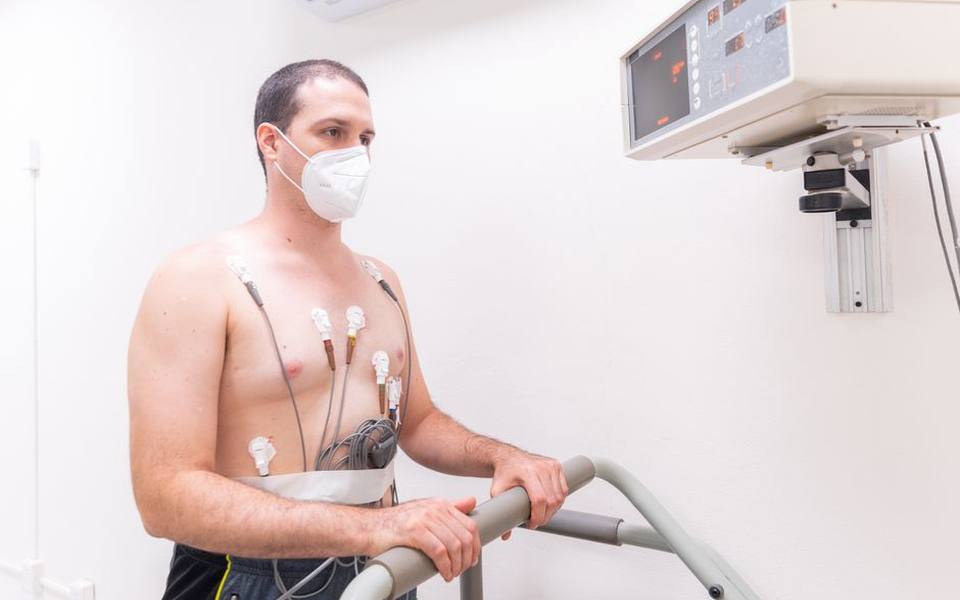
Body Composition and Heart Rate Testing: Understanding Scans and Metabolic Assessments
-
 Money
MoneyHow Much Does a Personal Trainer Cost? Rates and Package Deals
-
 Service
Getting Started with Group Fitness: What to Expect from Popular Workouts
-
 Buying
Choosing Between a Guided Track System and a Free-Weight Frame for Your Home
-
 Service
Understanding Which Dietary Programs and Digital Apps Deliver Real Results
-
 Owning
Heart Rate Zone Training: How to Calculate and Target Your Ideal Zones
-
 Owning
Beginner Gym Workout Guide: Simple Routines and Step-by-Step Plans
-
 Money
MoneyEquinox Membership Cost Breakdown and Pricing Guide
-
 Money
MoneyPlanet Fitness Membership Pricing and Day Pass Guide
-
 Money
MoneyCrunch Fitness Membership Plans and Day Pass Costs Explained