How Crunch structures its basic and multi-club tiers
At most franchise locations, monthly rates typically range from around $10 to $35 per month across three primary tiers: Base, Peak, and Peak Results. The Base plan provides entry-level access to cardio machines and free weights at a single home facility. It suits self-directed lifters who want simple gym floor access without paying for extras they will never touch during their weekly routine.
Moving up to the Peak tier generally bumps the dues to roughly $22 to $25 per month. In exchange, members unlock multi-club access to other standard locations and access to classic cardio, dance, and yoga classes. If you like varying your training with instructor-led sessions, comparing clubs that offer group classes helps you decide whether the modest price jump over the baseline tier makes financial sense.
The Peak Results tier sits at the top of the standard franchise menu, typically priced between $30 and $35 each month. This option unlocks specialized functional training zones, recovery amenities, and unlimited guest privileges. For someone sharing visits with a friend or spouse, this tier often delivers the best overall value across the franchise network.
Recovery amenities and Peak Results upgrades
The defining appeal of the Peak Results tier lies in the recovery lounge rather than just the squat racks. Depending on the specific facility, this tier grants access to HydroMassage beds, stand-up tanning booths, and specialized wellness spaces. Many modern locations have started integrating red light therapy equipment alongside traditional percussion massagers to support post-workout recovery.

Beyond recovery hardware, Peak Results members usually gain admission to proprietary high-intensity team training spaces, often branded as the HIITZone. These coached small-group sessions incorporate sled tracks, kettlebells, and turf sprints. If you prefer high-energy team conditioning over standalone treadmill runs, this premium tier eliminates the need for expensive boutique studio memberships.
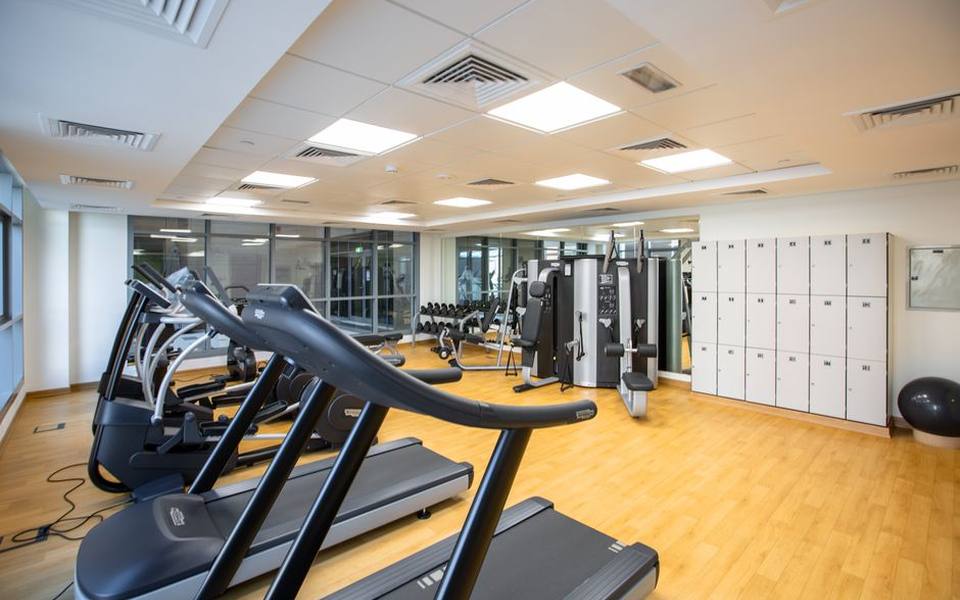
Locker room amenities also differ across locations. While entry-level gyms often strip down amenities to keep dues low, select locations feature a dedicated recovery zone or sauna or steam room available to members on upgraded plans. It is wise to inspect the physical club beforehand to confirm which exact amenities are operational before committing to an upgraded rate.
The difference between standard locations and Signature clubs
A frequent source of confusion is the division between standard franchise clubs and company-owned Signature clubs. While suburban gyms emphasize low-cost volume, Signature locations found in major metropolitan downtowns operate as full-service luxury facilities. Dues at Signature spots typically run well over $100 per month, reflecting real estate costs, full towel service, executive locker rooms, and upgraded equipment suites.
Standard franchise memberships do not grant entry into Signature facilities. If you enroll in a standard Peak Results plan in a suburban market, you generally cannot scan into a flagship club in downtown Manhattan or Los Angeles without paying an upgrade or steep visitor fee. Prospective members should verify their primary facility type when looking at membership options across different cities.
Despite the higher price point, Signature locations provide extensive schedules of premium studio classes that rival boutique fitness brands. If you commute into a city center and rely on showers, premium toiletries, and comprehensive group programming, the higher monthly dues can replace multiple boutique subscriptions. For suburban commuters, however, standard neighborhood clubs offer far more practical value.
Factoring in enrollment fees and annual dues
The monthly dues you see advertised rarely tell the whole financial story. Most members will encounter a startup enrollment fee that typically ranges from a promotional $1 up to around $50 or more, alongside a recurring annual maintenance fee. This annual charge, typically falling between $45 and $60, is usually charged roughly sixty to ninety days after your enrollment date.
Cancellation terms also demand close attention. Crunch frequently offers both month-to-month arrangements and twelve-month commitments. Choosing no-contract plans usually requires paying a higher initial enrollment charge, whereas twelve-month agreements lower your upfront startup cash in exchange for an early termination penalty if you leave before the year concludes.
Canceling or freezing an account typically requires written notice, either submitted in person at the front desk or sent via certified mail. Processing periods can take thirty days, meaning you might see one final billing cycle process before your membership fully terminates. Reviewing the contract paperwork ensures you understand the exact notification window required.
Day passes, trial visits, and guest policies
If you want to test the equipment before committing your payment details, obtaining a temporary pass is straightforward. Crunch typically offers a free one-day or three-day trial pass through their website for prospective local residents. These passes allow you to explore the facility during staffed hours, check locker room cleanliness, and gauge crowd levels during peak evening workout times.
For out-of-town travelers who do not qualify for a promotional pass, single-day drop-in passes typically cost between $15 and $25, depending on the club tier and market. Paying for a day pass grants full access to the primary gym floor and standard amenities for the duration of that single visit, providing a simple way to maintain your routine while traveling.
If you know an existing member who holds a Peak Results membership, you might not need to pay for a day pass at all. Peak Results tiers typically include unlimited guest privileges, allowing the member to bring one guest per visit at no additional charge. The guest must simply present photo identification, register at the front desk, and exercise alongside the primary account holder.
Published 2026-09-20 · reviewed with each rebuild, last October 2026.
Find gyms near you
The directory lists 21,093 gyms by state and city — pick your state or use the “Near me” button in the header.
More guides
-
 Money
MoneyGym Membership Costs Breakdown: Rates, Fees, and Savings
-
 Service
Body Composition and Heart Rate Testing: Understanding Scans and Metabolic Assessments
-
 Money
MoneyHow Much Does a Personal Trainer Cost? Rates and Package Deals
-
 Service
Getting Started with Group Fitness: What to Expect from Popular Workouts
-
 Buying
Choosing Between a Guided Track System and a Free-Weight Frame for Your Home
-
 Service
Understanding Which Dietary Programs and Digital Apps Deliver Real Results
-
 Owning
Building Endurance: A Beginner's Guide to Marathon and Triathlon Preparation
-
 Owning
Heart Rate Zone Training: How to Calculate and Target Your Ideal Zones
-
 Owning
Beginner Gym Workout Guide: Simple Routines and Step-by-Step Plans
-
 Money
MoneyEquinox Membership Cost Breakdown and Pricing Guide
-
 Money
MoneyPlanet Fitness Membership Pricing and Day Pass Guide